At a glance
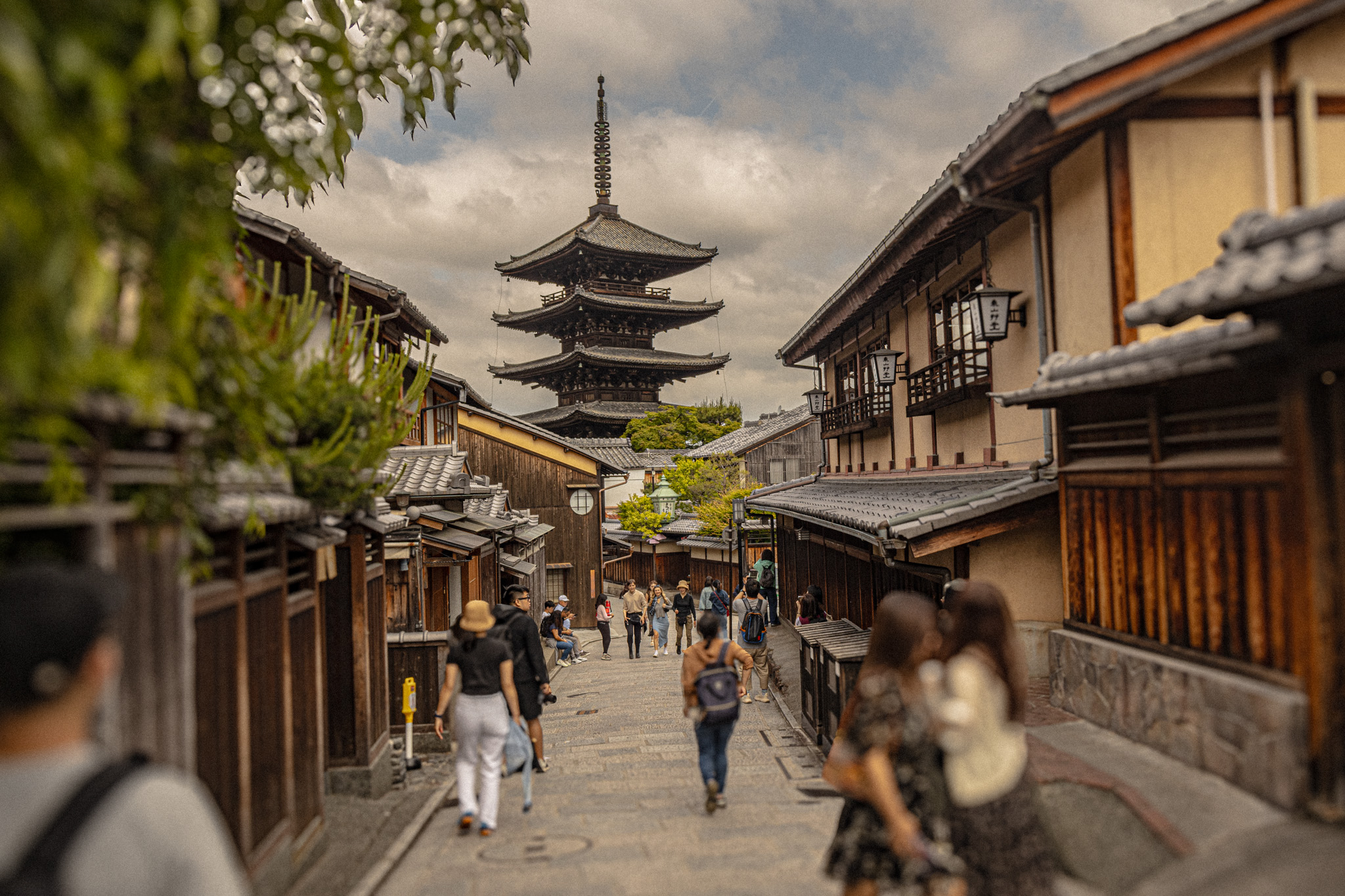
Kyoto is one of the easiest cities in the world to explore on your own. It’s compact in the centre, well-connected by rail where it matters, and rewards the kind of travel that slows down and wanders. You don’t need a guide to have an extraordinary time here. What you need is a rough plan, comfortable shoes, and the willingness to turn down a street you hadn’t planned on.
This guide makes the case for independent travel in Kyoto, explains what to look out for if you do hire a guide, and includes sample itineraries for 2, 3, and 5-day trips in spring and autumn.
Why Kyoto works well for independent travel
Some cities genuinely benefit from a guide. Language barriers, complex transport, safety concerns, sites that require specialist access. Kyoto has fewer of these problems than most, though it’s not without its quirks.
The city centre is walkable
Central Kyoto sits on a grid. The main sightseeing districts — Higashiyama, Gion, central Kyoto — are all walkable once you arrive. Most of the best discoveries happen between destinations, down the side streets and through the backstreets you’d never visit on a guided tour because the guide has a schedule to keep.
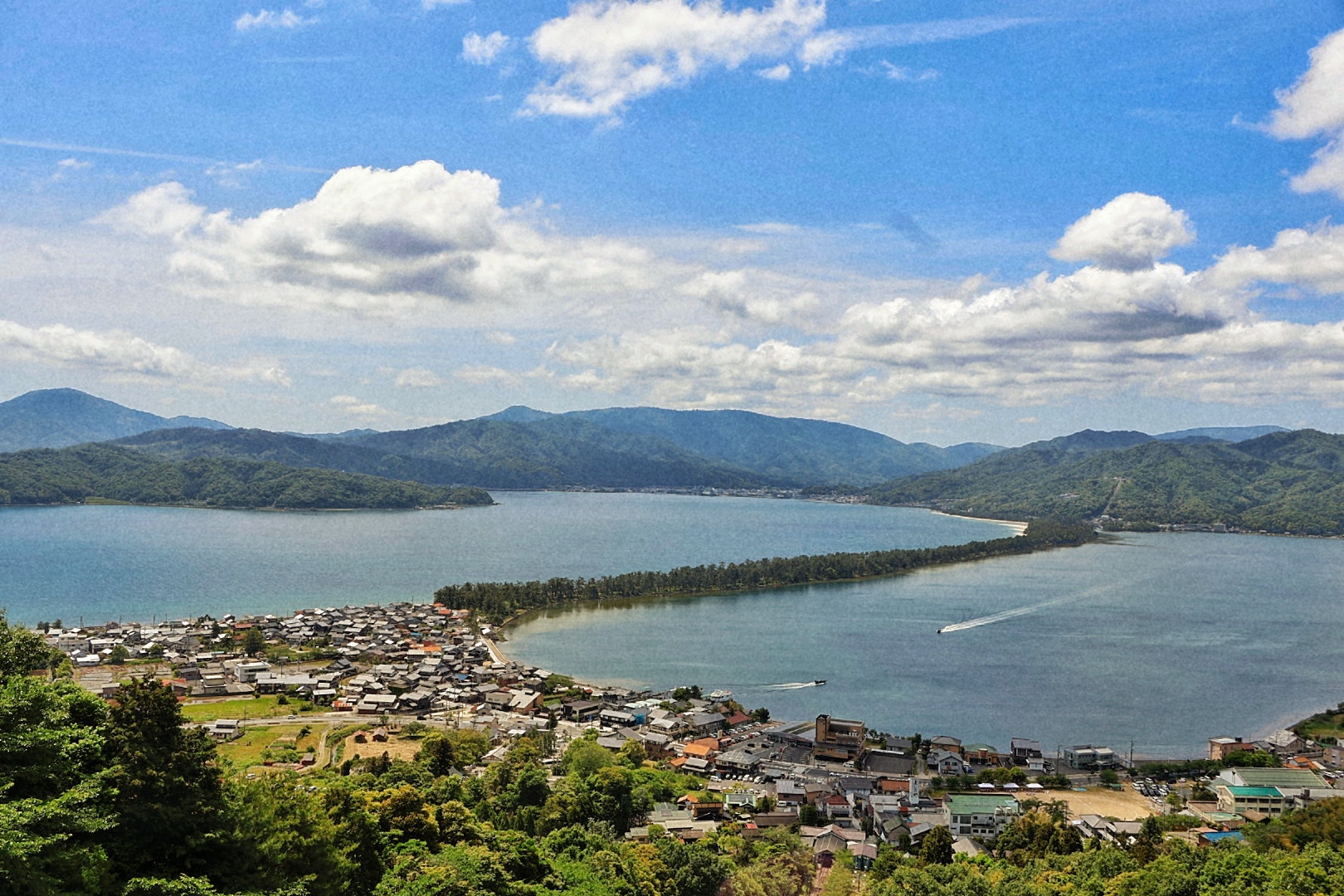
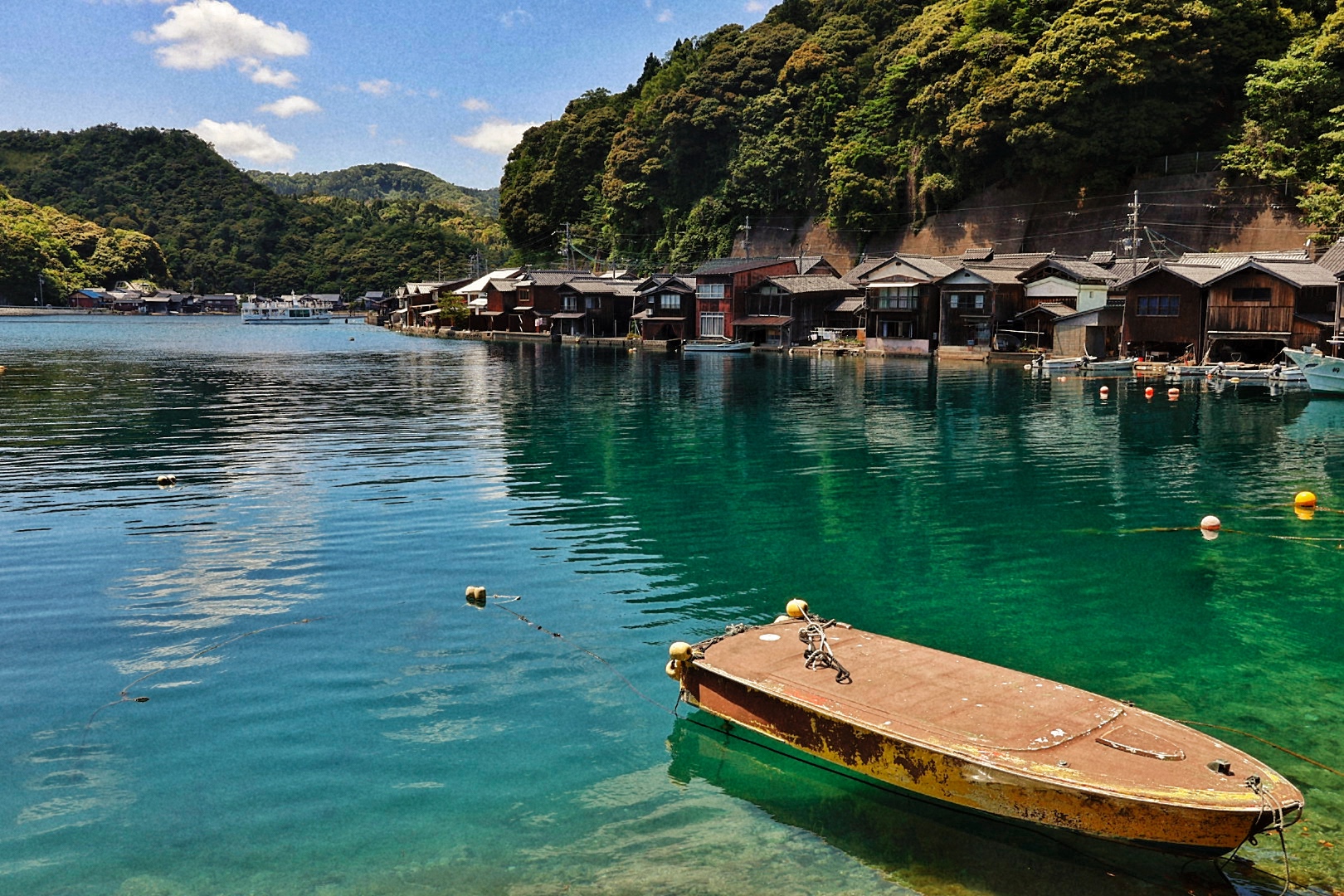
That said, Kyoto is more spread out than it first appears. Arashiyama, Fushimi, Kifune, and Ohara are all some distance from the centre. Then there’s the wider Kyoto Prefecture with places like Uji, Amanohashidate — one of the three great scenic views of Japan — and the fishing village of Ine. Part of what makes Kyoto worth exploring independently is being willing to go beyond the main cluster, and some of those further-out areas take a bit more planning to reach. The Kyoto Unknown app includes zone filters and directions for exactly this reason.
Public transport is good, but the buses need a warning
Kyoto has two subway lines, private railways (Keihan, Hankyu, Eizan) that connect the outer areas, and an extensive bus network. The trains and subway are reliable and English-signposted throughout. Buy an IC card or load Apple Pay Suica and you can move around without queueing at ticket machines.
The buses are a different story. Kyoto’s rail network doesn’t reach all of the major sightseeing areas, so the buses carry the weight, and they’re often overwhelmed. During peak seasons and holidays, certain routes become standing-room-only, with visitors and residents competing for the same overcrowded services. The city discontinued its popular bus-only day pass and replaced it with a combined bus and subway pass to encourage subway use, and has introduced Tourism Express Bus routes to try to separate visitor and commuter traffic.
Our advice: use the subway and trains wherever possible. Walk when the distance allows. Use buses for routes with no rail alternative (Kamigamo, Ohara, some Arashiyama approaches) and try to avoid the busiest routes during peak hours. Renting a bicycle is also an excellent option for central Kyoto — the grid layout makes it easy to navigate on two wheels. Stick to bike lanes where they exist, don’t ride on pavements, and park in designated areas. Kyoto takes cycling rules seriously and so should you.
English is better than you might expect
Most major temples and shrines have English signage and pamphlets. Museums have English audio guides. Restaurants increasingly have English or picture menus. Translation apps are getting better every year, though they still struggle with handwritten menus and the kind of cursive Japanese you’ll find in traditional izakaya.
When technology falls short, people fill the gap. Restaurant staff in Kyoto are generally willing to help, and a useful phrase to have is おすすめは何ですか (osusume wa nan desu ka), “what do you recommend?” Ask this and you’ll often end up with the best thing on the menu, chosen by someone who actually knows the kitchen. It works better than any app.
You can change your plans
This is the biggest advantage of travelling independently and the one most people don’t appreciate until they’ve experienced both. If a temple is too crowded, you leave and find somewhere quieter. If the weather turns, you duck into a coffee shop. If you discover something on day one that you want to explore further on day two, you can. A guided tour doesn’t give you this flexibility. Your day is someone else’s plan, and pivoting means losing what you’ve already paid for.
It costs less
A private guide in Kyoto typically charges ¥35,000 to ¥70,000 per day for a licensed professional. Premium and luxury operators charge significantly more, with some full-day private tours with vehicle running upwards of ¥100,000. Group tours run ¥5,000 to ¥15,000 per person. During peak seasons — cherry blossom and autumn leaves — expect prices 20 to 30 percent higher, and the best guides are booked months in advance.
For the cost of a single day with a private guide, you could fund several days of independent travel including transport, temple admissions, meals, and a much better evening out. The money you save is money you can spend on experiences.
The tour guide landscape in Kyoto: what you should know
We’re not saying all guides are bad. There are excellent ones in Kyoto — people with deep knowledge, genuine passion, and the ability to show you things you’d never find alone. But the industry has significant problems, and as locals who live here and see the effects daily, we think visitors deserve honest information before they book.
Anyone can be a tour guide
Until 2018, it was technically illegal to offer paid guiding services in Japan without a national licence. The law changed to address a shortage of multilingual guides, and now anyone can operate as a paid tour guide regardless of qualifications, experience, or knowledge.
The only restriction is on titles. Only those who have passed the National Government Licensed Guide Interpreter exam can use the official title 通訳案内士 (tsūyaku annaishi, literally “interpreter guide professional”). But there’s nothing stopping someone who arrived in Kyoto last month from setting up a tour business tomorrow.
This doesn’t mean every unlicensed guide is bad. Some of the best guides never bothered with the exam. But it means there’s no quality floor. The person leading your group through a 1,200-year-old temple may have less knowledge of the site than you’d get from reading the English signboard at the entrance.
Patterns we’ve seen
We live in Kyoto. We visit these temples, shrines, and streets regularly. We overhear guides, we see how groups move through the city, and we hear from locals who work at these sites. Some recurring patterns:
Misinformation presented as fact. Guides confidently stating incorrect historical dates, misattributing temple founders, or repeating translation errors from poorly translated signage. A 2024 study by the Kyoto City Tourism Association found nearly 500 translation errors across 50 locations popular with visitors. To be fair, this isn’t solely a guide problem. If the signage at the sites themselves is wrong, anyone relying on it will repeat the errors. The Kyoto City Tourism Association has since released guidelines and is actively working to improve translation quality across the city, which is encouraging. But until that work is complete, misinformation compounds when guides repeat what the signs say without cross-checking.
Overcrowded routing. Large tour operators consistently funnel groups to the same already-overcrowded spots at peak times. This is the opposite of what Kyoto needs. The city has been actively trying to disperse visitors to lesser-known areas, and mass tour routing directly undermines that effort.
Bait-and-switch staffing. Travellers book based on a specific guide’s profile and reviews, only to be assigned a different, less experienced guide at the last minute. In some cases, agencies confirm bookings months in advance then cancel days before the tour, claiming no guide is available.
Misrepresentation of geisha culture. Guides who incorrectly portray geiko and maiko, describing them in ways that are inaccurate and disrespectful, directly contribute to the kind of harassment that led to a 2024 ban on visitors entering certain private alleys in Gion. When a guide gets this wrong, their entire group walks away with the wrong understanding, and that has real consequences for the people who live and work in these districts. Education on this is improving — more voices are calling it out and more action is being taken — but it remains a problem that starts with whoever is doing the talking.
Aggressive upselling. Guides steering groups toward specific shops and restaurants, pressuring for tips, and pushing for five-star reviews in exchange for a better experience. The recommendation stops being about quality and starts being about commission.
Physical limitations. Kyoto involves hills, steps, and significant walking. Guides who aren’t upfront about the physical demands of an itinerary, or who aren’t fit enough to handle them comfortably, leave their clients struggling or cutting visits short.
The shrine that changed its policy
In May 2024, a video showing visitors aggressively shaking the bell ropes at Yasaka Shrine after dark went viral on Japanese social media. The shrine, whose main hall has stood since the 7th century and was designated a National Treasure in 2020, announced within days that the bell cords would be put away from 5pm to 6am daily. Visitors can still worship at the main hall during those hours, but the centuries-old practice of being able to ring the bell at any time of night was curtailed. The shrine cited “multiple cases” of cords being damaged in its statement, but the timing made clear the viral video was the breaking point.
The incident wasn’t tied to a specific tour guide. But it sits inside the broader pattern: when groups don’t understand or communicate the cultural significance of where they’re standing, the consequences fall on the sites themselves and on the people who care for them.
If you do want a guide
There are legitimate reasons to hire a guide. If you want deep historical context delivered verbally rather than reading it yourself. If you’re interested in experiences that require introduction — like a private tea ceremony or a meeting with a craftsperson. If accessibility needs make independent navigation difficult. A good guide can genuinely enhance a trip.
Here’s how to find one.
Look for credentials
Two certifications carry weight in Kyoto:
National Government Licensed Guide Interpreter (通訳案内士, tsūyaku annaishi, literally “interpreter guide professional”). The gold standard. A national exam covering Japanese history, geography, culture, and a foreign language. The pass rate is often below 20%. If a guide holds this, they’ve demonstrated real knowledge. It doesn’t guarantee a great personality, but it guarantees a baseline of competence that the unregulated market cannot.
Kyoto City Visitors Host (KVH). A local certification issued by the Mayor of Kyoto specifically for the greater Kyoto area. Guides undergo roughly six months of training covering Kyoto’s history, traditional industries, and hospitality, followed by an oral exam. This is harder to get than most travellers realise and it signals genuine local expertise.
Verify the operator
In Japan, companies cannot legally operate as tour agencies without registering with the Japan Tourism Agency or local prefectural governments. Registered agencies must employ at least one person who has passed the Certified Travel Services Manager examination, and they’re required to deposit a financial guarantee bond to protect consumers.
If a tour company’s website doesn’t display a registration number, that’s a red flag. If they can’t tell you whether their guides hold any certification, that’s another.
Practical checks before booking
Read reviews across multiple platforms, not just the one the company promotes. Look for specific mentions of knowledge and accuracy, not just “nice person.” Ask directly whether the guide assigned to you is the one whose profile you reviewed. Confirm cancellation and substitution policies in writing. And be realistic about what you’re paying for. A ¥5,000 group tour of Kyoto is not going to provide the same depth as a ¥50,000 private day with a certified guide.
Consider someone with genuine local knowledge
The best guides in Kyoto tend to be people who know the city deeply, whether they were born here or have spent significant time living and working here. They know which temple is quiet on a Tuesday morning, which restaurant to avoid despite the reviews, and which street to turn down when the main approach is packed. If you’re going to spend money on a guide, spending it on genuine local knowledge is where the value is. Ask how long they’ve been based in Kyoto, how often they visit the sites on your itinerary outside of work, and whether their knowledge extends beyond the headline sites.
How to plan your own Kyoto trip
You don’t need much. A rough daily plan, a sense of which areas you want to explore, and a tool to help you find specific places when you’re on the ground.
Start with areas, not sites
Kyoto is organised in districts. Rather than listing individual temples and rushing between them, pick an area for each morning and afternoon and let yourself wander within it. You’ll find more this way than any itinerary can prescribe.
Use the right tools
Kyoto Unknown is what we built for exactly this. Browse by mood, filter by zone, check the map, and build a collection for each day. Every place has a description, price estimate, best time to visit, and directions. The app works offline, which matters when you’re down a backstreet with no signal.
Google Maps for navigation and real-time transport. Tabelog for restaurant reviews that locals actually trust (look for 3.5+ ratings — the scale is harsher than TripAdvisor). Navitime or Japan Transit Planner for detailed train and bus routing.
Budget realistically
Temple admissions are typically ¥400 to ¥1,000. Coffee is ¥500 to ¥800. A good lunch is ¥1,000 to ¥2,000. A serious dinner is ¥3,000 to ¥6,000. Transport within the city runs ¥230 to ¥500 per journey. The Budget Planner in Kyoto Unknown lets you estimate costs before you go.
Sample itineraries
These itineraries mix well-known sites with places from the Kyoto Unknown app. They’re designed to be manageable without being rushed. Adjust based on your energy, the weather, and whatever you discover along the way. That’s the whole point.
2 days: Spring
Day 1: Higashiyama and the eastern hills
Morning: Start early at Chion-in. Huge, historically significant, and rarely crowded despite being one of Kyoto’s most important temples. Walk south through Maruyama Park. If you’re here during cherry blossom season, the park’s famous weeping cherry is best in the early morning before the crowds gather. Continue uphill to Choraku-ji, where you may be the only visitor.
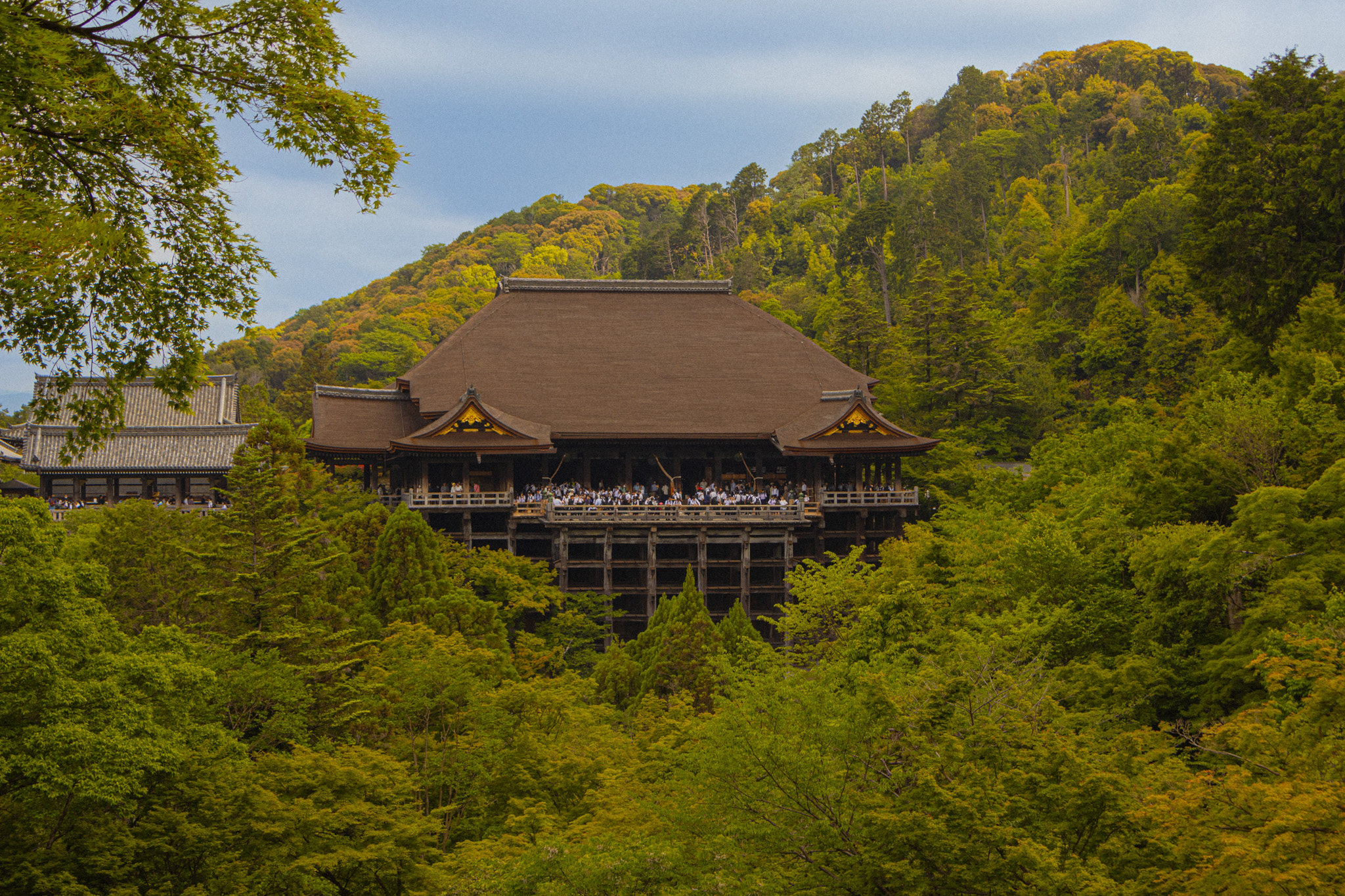
Afternoon: Walk down through the Higashiyama backstreets toward Kiyomizu-dera. Visit if you want but the approach streets — Ninenzaka and Sannenzaka — are the real experience. Have coffee at Cafe Bibliotic Hello in Nakagyo, open until 11pm if you want to come back later.
Evening: Dinner at Torisei Sanjo for yakitori and brewery-direct sake. Walk through Pontocho afterward if the weather is good.
Day 2: Arashiyama, done differently
Morning: Take the Sagano Sightseeing Railway from Saga-Torokko Station. Ask for Car 5. Then the Hozugawa River Boat back to Arashiyama. You’ll arrive at Togetsukyo Bridge early afternoon having experienced the gorge from above and below.
Afternoon: Walk through the bamboo grove, which should be calmer by mid-afternoon. Explore the quieter western side of Arashiyama, away from the main street.
Evening: Back in central Kyoto. Drinks at Ace Cafe rooftop as the sun goes down.
3 days: Autumn
Day 1: Northern Kyoto
Morning: Shimogamo Shrine and a walk through Tadasu no Mori, the ancient forest in the middle of the city. Then bus or taxi north to Kamigamo Shrine. Walk through the old priest houses outside the gates.
Afternoon: Continue north to Takaragaike Pond for autumn reflections if the leaves have turned. Or take the Eizan Railway from Demachiyanagi to Kifune for a riverside lunch.
Evening: Onikai for farm-to-table izakaya (book 30 days ahead). Then Yamatoya for jazz and whisky if you want a quiet continuation.
Day 2: Higashiyama in autumn colour
Morning: Tofukuji at opening for the autumn leaves. The Tsutenkyo Bridge view is one of Kyoto’s most famous for a reason, but only if you arrive in the first hour. Leave by 9am before the crowds peak.
Afternoon: Walk north through Higashiyama. Stop at Choraku-ji where the maples along the stone path are beautiful in autumn. Continue to Nanzen-ji and the aqueduct.
Evening: Dinner at Isozumi for Kyoto vegetables, then a quiet cocktail at Finlandia Bar in Gion.
Day 3: Arashiyama and Fushimi
Morning: Sagano Railway and Hozugawa Boat. The gorge in autumn colour is one of the best things in all of Japan.
Afternoon: Train to Fushimi. Walk through the sake district, visit the Gekkeikan Sake Museum, and taste sake brewed with Fushimi’s famously soft water. If energy allows, walk to Fushimi Inari. Late afternoon is the best time, as day-trippers are leaving.
Evening: CICON Rooftop Bar for cocktails with Higashiyama views.
5 days: Spring or autumn
Days 1 to 3: Follow the 3-day autumn itinerary above, adjusted for season. In spring, swap Tofukuji (autumn-specific) for the Philosopher’s Path, which is lined with cherry trees.
Day 4: Out of the city
Morning: Cable car and ropeway from Yase up Mount Hiei. Walk the summit, visit Enryakuji if the weather is clear. Pack layers — it’s several degrees cooler at the top.
Afternoon: Descend and take the Eizan Railway to Kurama. Hike the trail over the mountain to Kifune (about 90 minutes, steep in places). Reward yourself with riverside dining in Kifune village.
Evening: A late return to central Kyoto. Light dinner at Rokujuan if energy allows, or something simple near your accommodation.
Day 5: The slow day
No temples. No shrines. No agenda.
Morning: Coffee at Kurasu Ebisugawa or Okaffe Roasting Park. Browse Teramachi shopping arcade. Visit Nishiki Market before 10am if you want to see it functioning rather than overwhelmed.
Afternoon: Explore a neighbourhood you haven’t been to. Nishijin for textile history. The area around Daitokuji for sub-temples that charge ¥400 and have no queue. Walk along the Kamo River from Demachiyanagi southward.
Evening: Your best evening meal. Onikai if you haven’t been. Or spend the money you saved by not hiring a guide on somewhere special. End at Ace Cafe or CRAFT倶楽部 for one last look at the city.
The case for going on your own
The best moments in Kyoto tend to be unplanned. The temple you stumbled into because the gate was open and nobody was around. The coffee shop where the barista spent ten minutes on your pour-over and you watched in silence. The backstreet in Gion at dusk where the lanterns were just coming on and you were the only person there.
These moments don’t happen on a schedule and they don’t happen in a group. They happen when you’re walking slowly, paying attention, and open to whatever comes next.
Kyoto has been welcoming visitors for over a thousand years. The infrastructure, the signage, the transport, the hospitality — it’s all designed around the assumption that you can find your way. Trust the city. It knows what it’s doing.
And if you want a shortlist of places that most visitors never find, curated by people who grew up here and never left, the Kyoto Unknown app is free forever — no ads, no tracking.
Download free on the App Store →
Frequently asked questions
Is it easy to get around Kyoto without speaking Japanese?
Yes. The subway, buses, and train stations all have English signage. Most temples have English pamphlets. Restaurants increasingly have English or picture menus. And if you learn one phrase, make it おすすめは何ですか (osusume wa nan desu ka), “what do you recommend?” It opens doors.
Do I need a guide to visit temples and shrines in Kyoto?
No. The vast majority of temples and shrines in Kyoto are open to independent visitors. English information is available at most major sites. A guide can add historical depth, but it’s not necessary to have a meaningful visit.
How much does a private tour guide cost in Kyoto?
Licensed private guides typically charge ¥35,000 to ¥70,000 per day. Luxury operators with private vehicles can exceed ¥100,000. Group tours run ¥5,000 to ¥15,000 per person. Peak season prices are 20 to 30 percent higher. There is no regulatory oversight on pricing.
What certifications should a tour guide in Kyoto have?
The most credible are the National Government Licensed Guide Interpreter (通訳案内士, tsūyaku annaishi), a national exam with a pass rate often below 20%, and the Kyoto City Visitors Host (KVH), a local certification requiring six months of training and an oral exam. Since 2018, neither is legally required to operate as a paid guide.
Is Kyoto safe for solo travellers?
Extremely. Kyoto is one of the safest cities in the world. Solo travellers, including women travelling alone, consistently rate it as one of the most comfortable destinations globally. Walking alone at night is safe and peaceful.
Can I visit Kyoto without planning anything?
You can, and some of the best trips are loosely planned. But having a rough idea of which areas to visit each day will help you avoid spending too much time on transport. The itineraries in this guide are deliberately flexible for that reason.
How many days do I need in Kyoto?
Three days is enough to see the highlights and explore beyond them. Five days allows a more relaxed pace with day trips to Mount Hiei, Kurama, or Fushimi. Two days is tight but works if you prioritise.
What’s the best time of year to visit Kyoto?
Spring (late March to mid-April) for cherry blossom. Autumn (mid-November to early December) for red and gold foliage. Both are peak seasons. May and October offer similar weather with fewer crowds. Summer is hot and humid but has its own rewards. Read our Golden Week guide if you’re visiting in early May.
Related reading
- Why we built Kyoto Unknown — the thinking behind the app and the distribution problem it was built to solve.
- The Free App for Finding the Kyoto You Came Here For — full walkthrough of every feature.
- Kyoto After Dark — where locals eat and drink when the temples close.
- Sagano Train & Hozugawa River Boat — the best day trip in Kyoto, featured in the itineraries above.
- Golden Week in Kyoto 2026 — where the crowds go and where they don’t.
- Aoi Matsuri 2026 — Kyoto’s oldest festival on May 15.
- Every place in Kyoto Unknown — the full list.
This post has also been adapted for Medium — a shorter, opinion-led version with sharper commentary on the tour-guide industry. Read it on Medium.