Kyoto doesn’t have a tourism problem. It has a distribution problem.
Over 50 million people visit Kyoto every year. The vast majority of them visit the same handful of places. Fushimi Inari. Arashiyama. Kinkaku-ji. Kiyomizu-dera. These are extraordinary sites and nobody is wrong for wanting to see them. But when the bulk of a city’s visitors are funnelled into a few square kilometres, what you get isn’t tourism. It’s congestion.
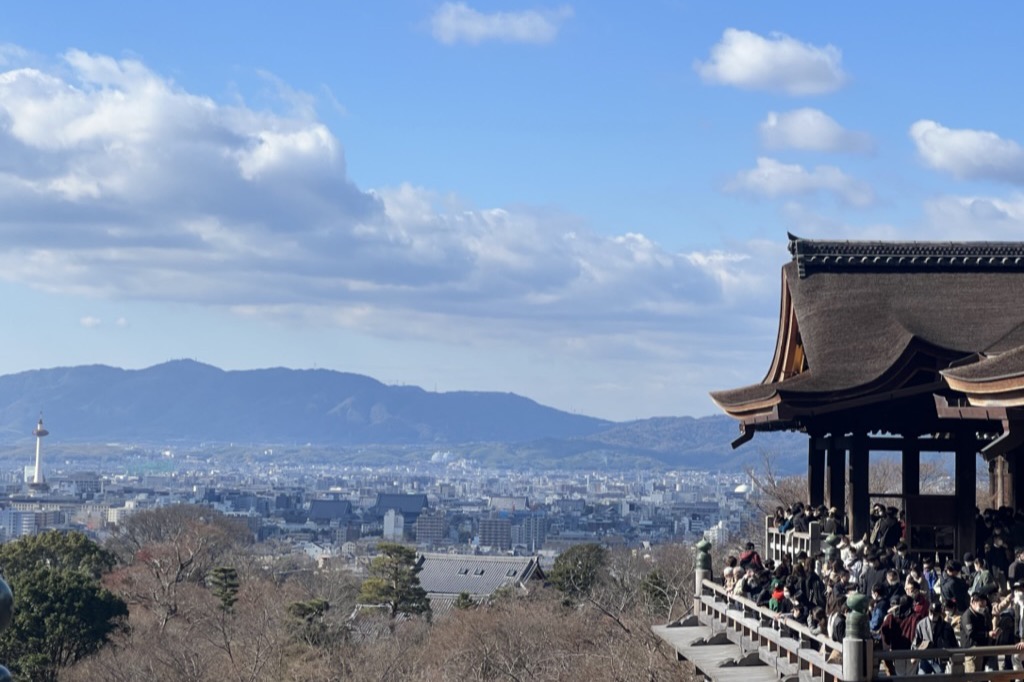
This isn’t really anyone’s fault. A first-time visitor searches “things to do in Kyoto,” gets the same list everyone else gets, and follows it. Tour companies build itineraries around the places they know will satisfy a bus full of people with different interests, which inevitably means the proven, the popular, the safe. Word of mouth reinforces it. Social media amplifies it. The algorithm locks it in. The result is that a city with over a thousand temples, hundreds of backstreet restaurants, and entire neighbourhoods most visitors never set foot in gets reduced to a circuit of about fifteen stops.
Meanwhile, the rest of Kyoto is right there.
What locals actually see
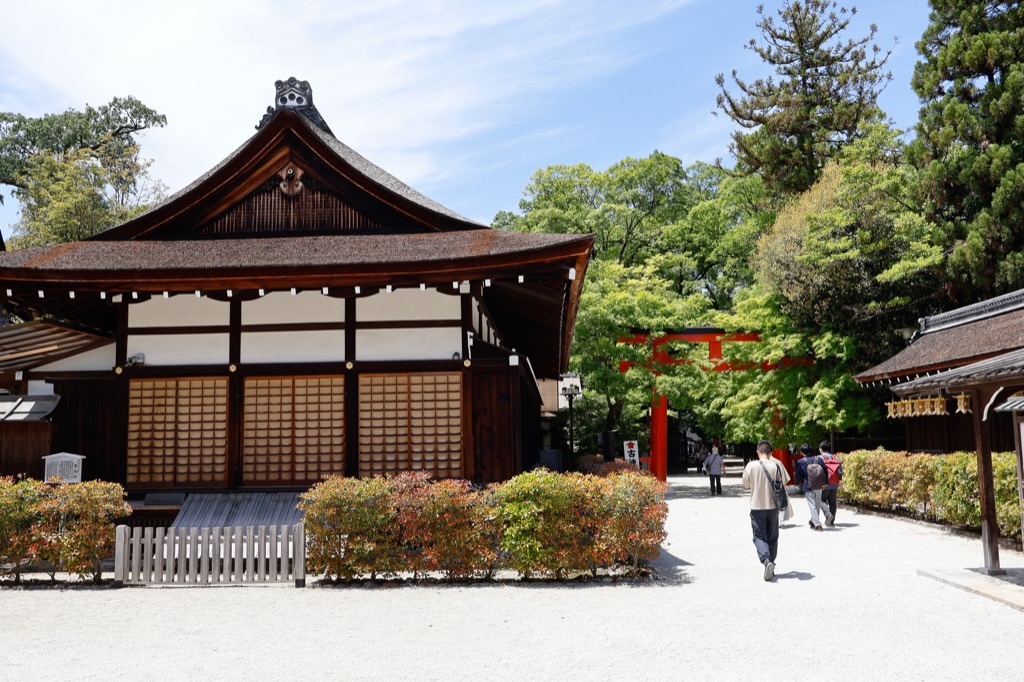
We were born and raised in Kyoto. We walked past a few thousand-year-old shrines on the way to school. And the places we actually spend our time are almost never the ones that appear in the guides.
The ramen shop in Ichijoji that has fed the local students since the 1970s. A temple above Maruyama Park approached through a stone path lined with lanterns, where you might be the only person there all afternoon. A rooftop bar with a view across the city that doesn’t advertise itself. A sake museum in Fushimi, where breweries have been making sake for generations thanks to some of the softest, cleanest water in Japan.
These places aren’t hidden because they’re exclusive. They’re hidden because nobody put them on a list. So we went one better and built Kyoto Unknown.
The problem with gatekeeping
There’s a strain of travel culture that treats lesser-known places as secrets to be protected. Don’t share this spot. Don’t post the location. Keep it for the people who already know. We understand the instinct, but we think it’s wrong.
Most of the quieter places in Kyoto would welcome more visitors. The temple with no ticket booth still has upkeep costs. The family-run kissaten still needs customers. The shopping arcade away from the tourist streets still has empty shopfronts. When we keep these places to ourselves, we’re not protecting them. We’re just making sure all the footfall and all the spending stays concentrated in the places that are already overwhelmed.
The better answer isn’t fewer tourists. It’s tourists in more places.
And here’s the thing that rarely gets said: dispersal doesn’t just help the quieter spots. It helps the famous ones too. Fushimi Inari is a genuinely special place. So is the bamboo grove. So is Kinkaku-ji. The reason the experience often disappoints isn’t the place itself, it’s that you’re sharing it with a thousand other people at the same time. If even a fraction of those visitors spent that morning somewhere else instead, the people who do visit would actually get to experience it the way it deserves. Everyone wins. The famous sites become what they were meant to be. The lesser-known ones get the visitors they need. The city breathes.
Why we built the app
Kyoto Unknown started with a simple idea: what if the people who grew up here made the recommendations?
Not travel writers passing through. Not expats with a blog. Kyoto-jin. People who were born in this city, raised in it, and chose to stay. People whose frame of reference isn’t “what’s photogenic” but “where do I actually go on a Tuesday evening.”
We built it as an app because that’s what you need when you’re walking around a city. Everything works offline, which matters when you’re in a backstreet with no signal. There’s a map with every place on it so you can see what’s nearby without planning ahead. A budget planner so you know what things cost before you get there. Seasonal guides because Kyoto in April and Kyoto in November are almost different cities. A Kyoto-ben phrasebook because the dialect here is its own thing and the locals notice when you try.
There are no ads. No star ratings. No user reviews. We think curation works better than crowdsourcing. If a place is in the app, it’s there because someone who actually lives here thought you should know about it.
What we hope it does
Kyoto is a city people return to. Not because they didn’t see enough the first time, but because the city reveals itself slowly, layer by layer, neighbourhood by neighbourhood. The famous sites are one layer. The Kyoto that locals know is another.
If Kyoto Unknown helps a few more visitors wander a little further from the main path, spend an afternoon somewhere they wouldn’t have found on their own, and leave money at a counter that doesn’t usually see foreign visitors, then it’s done what we built it to do.
The app is free. There’s nothing to subscribe to. Just a list of places in Kyoto, recommended by the people who live here.
Download Kyoto Unknown
Free on the App Store. No account, no ads, no tracking.